AIAutocompleteBlog
Notes from the team building the intent layer for AI: launches, integrations, and what we're learning about AI-powered text boxes.
Introducing AI Autocomplete: solving the biggest UX problem for AI
An SDK that gives every text box a brain, showing users what your product can do as they type and turning incomplete requests into structured actions.
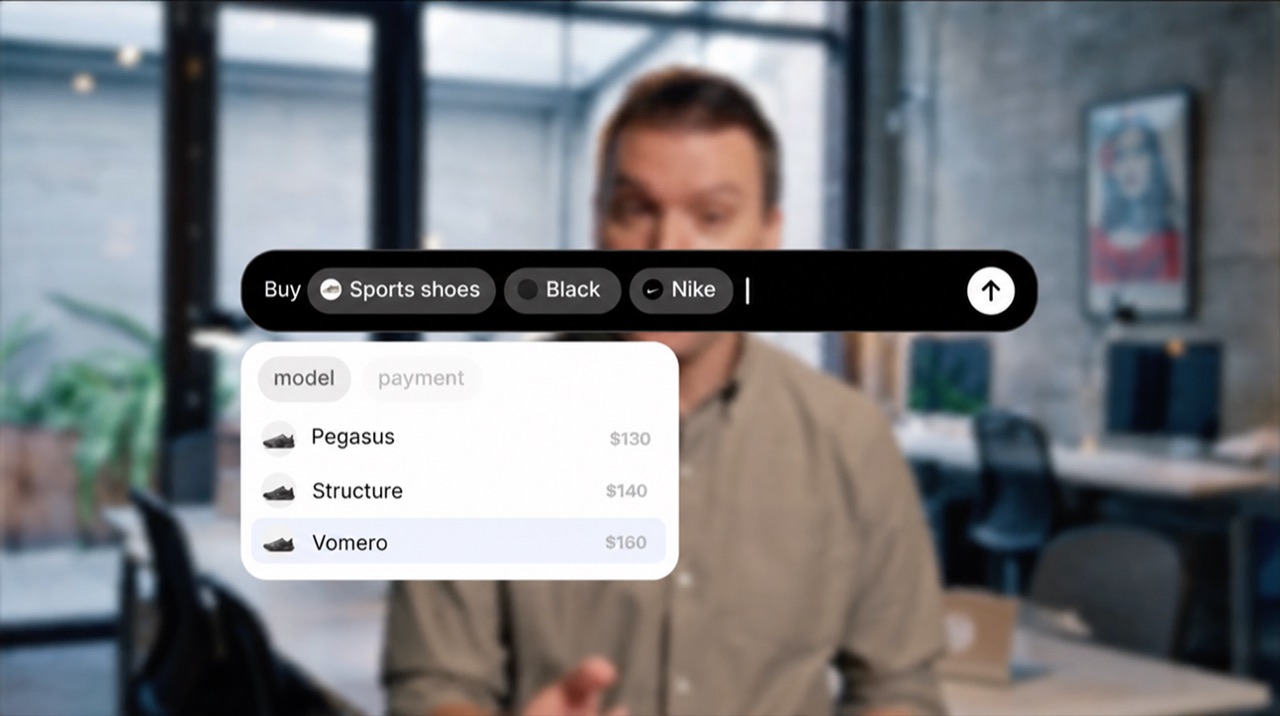
AI autocomplete software: a practical buyer's guide
What AI autocomplete tools actually do, the capabilities that matter, and a scorecard for choosing software that improves the text boxes already in your product.

AI text completion vs AI autocomplete: what's the difference?
Text completion continues what someone is writing. AI autocomplete completes what someone is trying to do. Here's where each belongs and how to measure it.

What is AI Autocomplete? The intent layer before search, chat, and agents
AI Autocomplete predicts the full request, not the next word, solving the blank text box problem before your search engine, chatbot, or agent takes over.
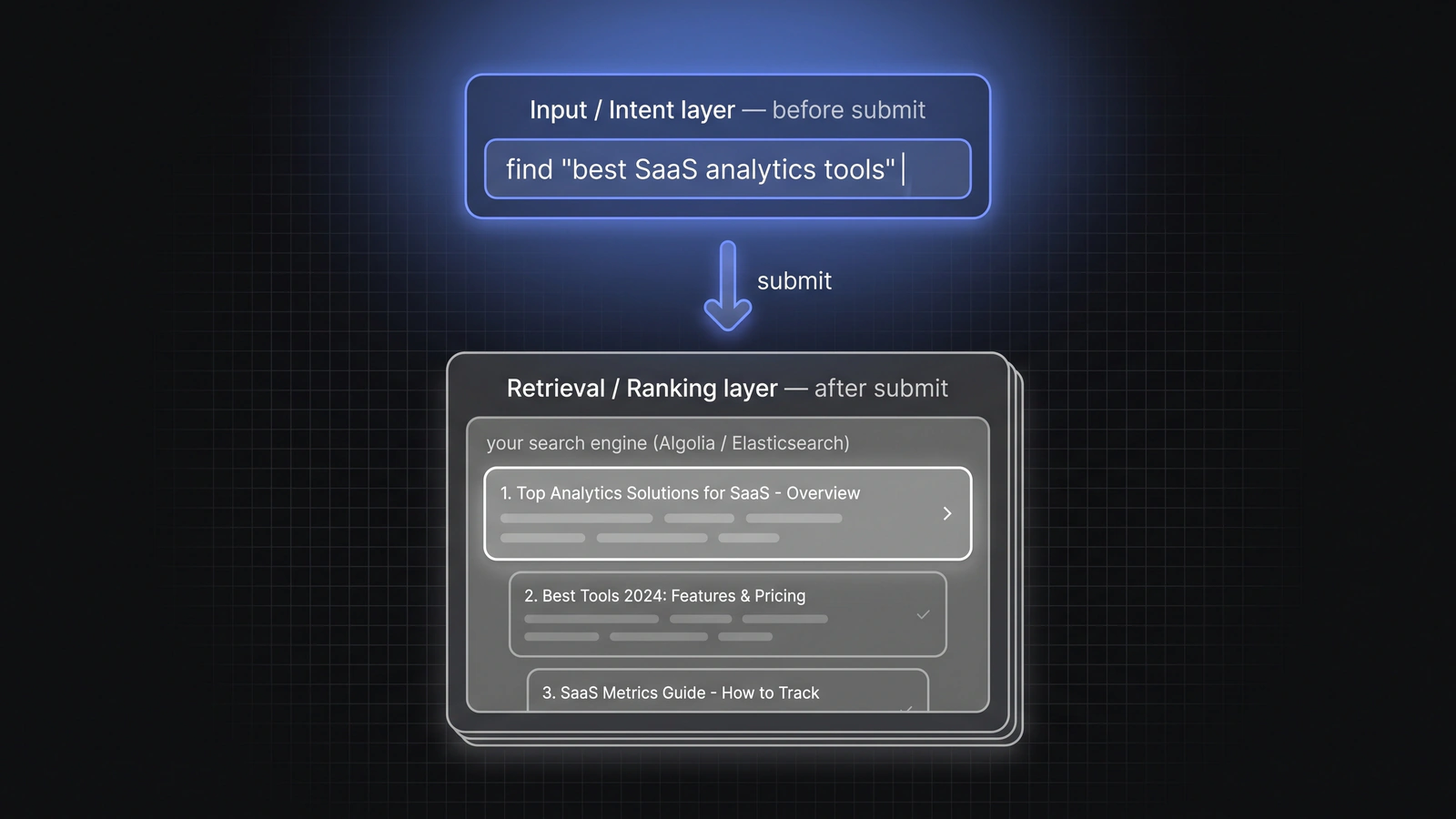
Traditional autocomplete vs AI Autocomplete: what's the difference?
Traditional autocomplete predicts the next keyword. AI Autocomplete predicts the full request: richer searches, faster experiences, and lower costs.
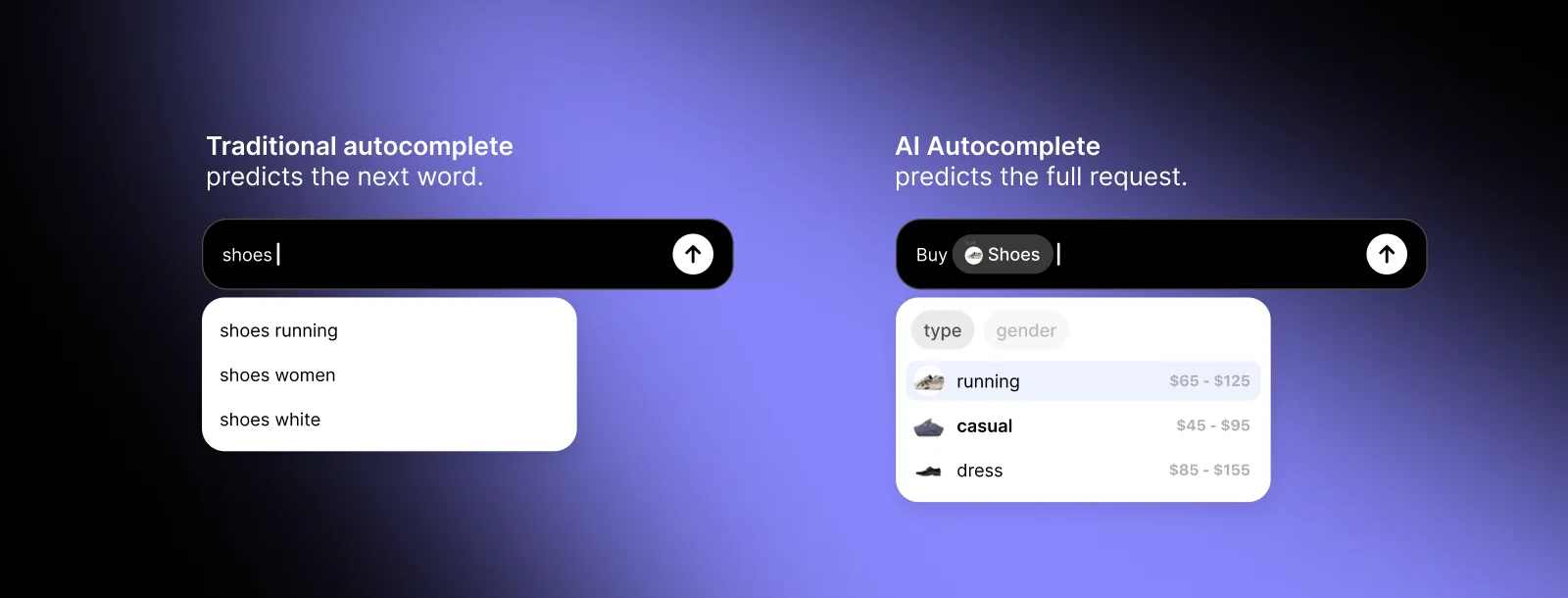
AI Autocomplete vs Algolia autocomplete or Elasticsearch autocomplete
Algolia and Elasticsearch autocomplete predict the next keyword. AI Autocomplete completes the full request, and hands your search backend a richer query.
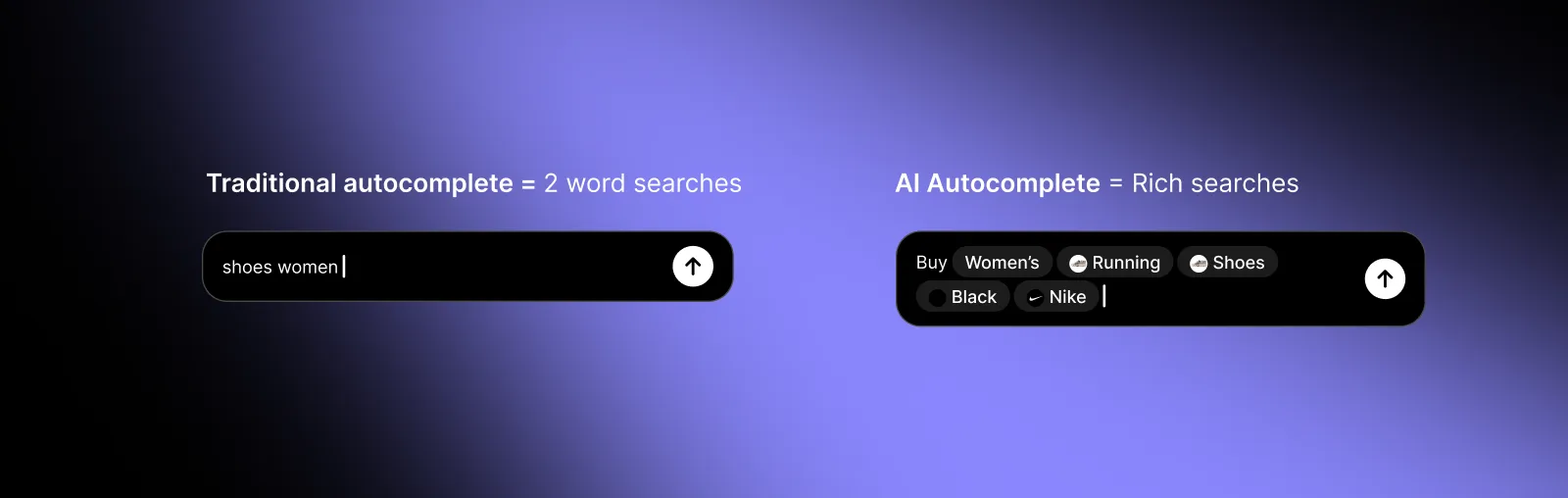
How AI Autocomplete works with Algolia or Elasticsearch
Algolia or Elasticsearch ranks and retrieves; AI Autocomplete captures intent while the user types. How the two layers fit together, and how to wire them up in minutes.
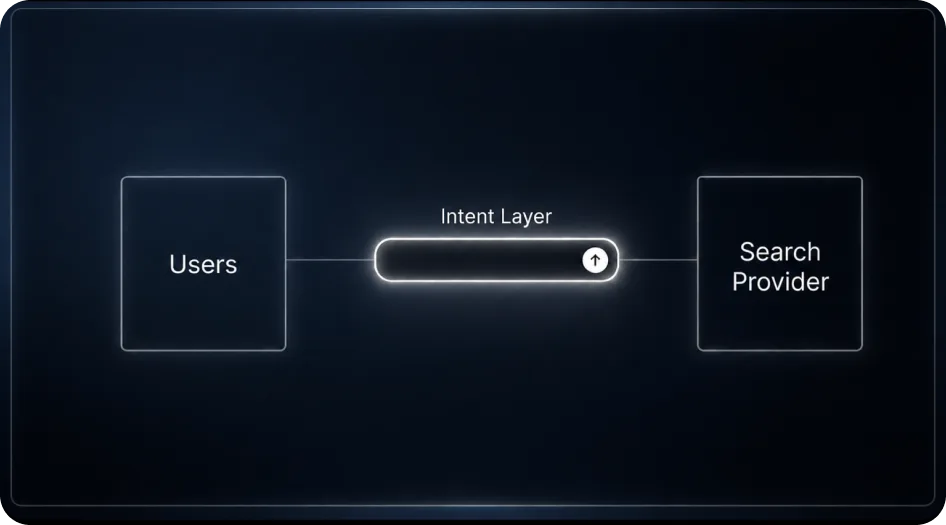
The 7 benefits of AI Autocomplete: why better input changes everything
Better input improves the whole product: richer queries, faster journeys, clearer discovery, higher conversion, and less work downstream.
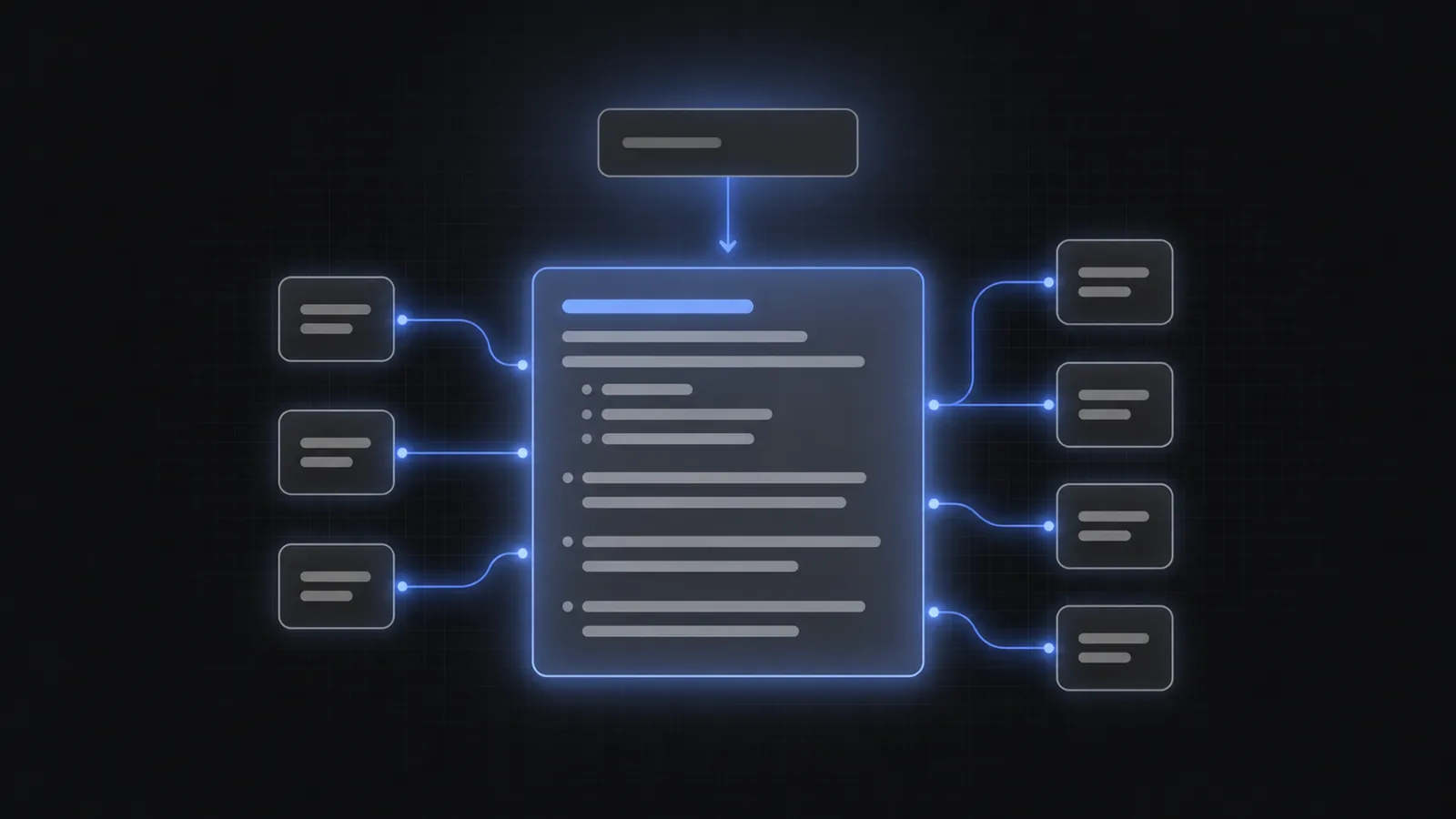
AI Autocomplete for ecommerce: turn vague searches into buying intent
A shopper rarely means only the two words they type. AI Autocomplete helps them express the product, constraints, and occasion in one search.
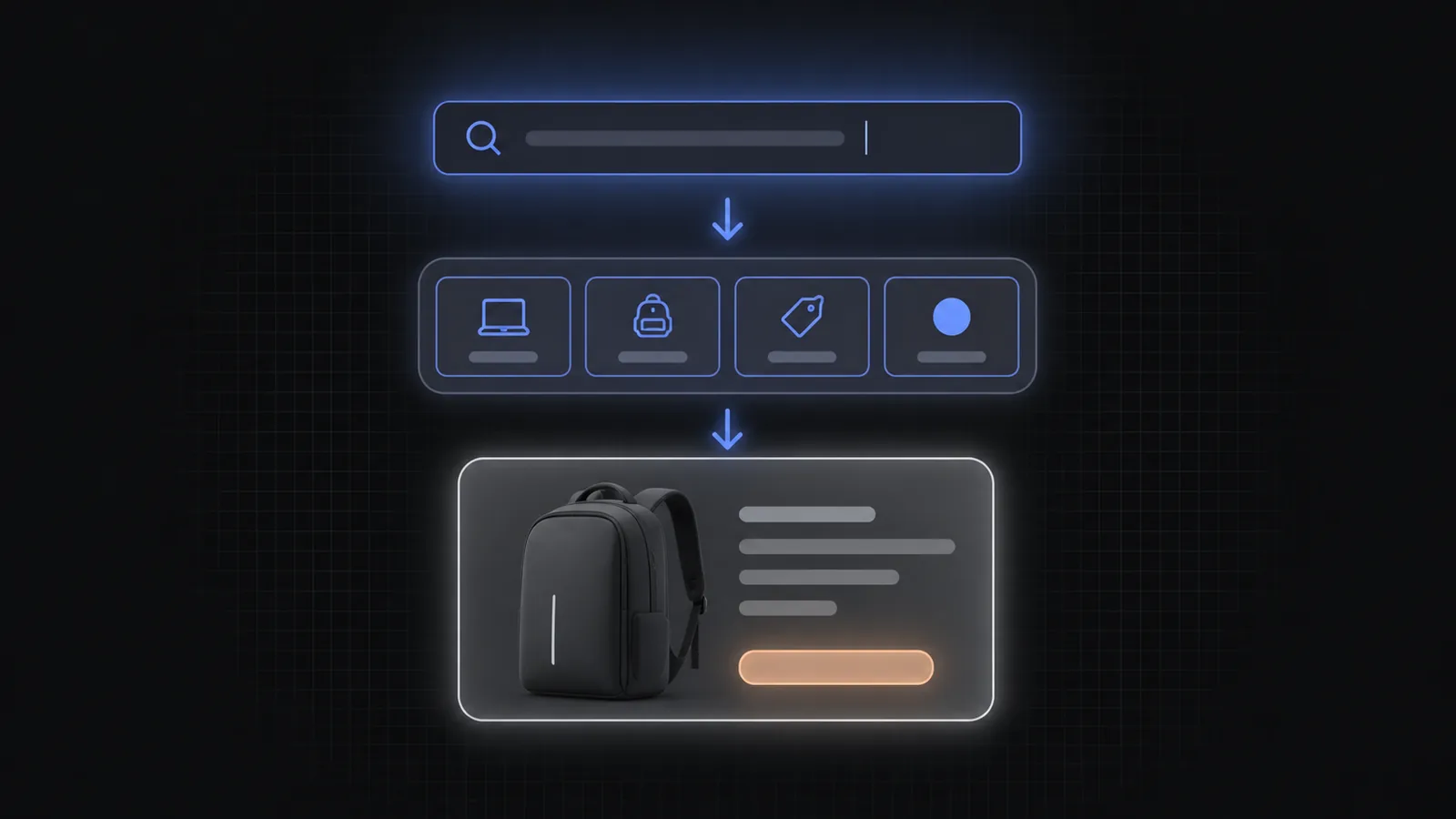
AI Autocomplete for site search: relevance starts before retrieval
Search engines rank the query they receive. AI Autocomplete makes that query specific enough to deserve a great result.
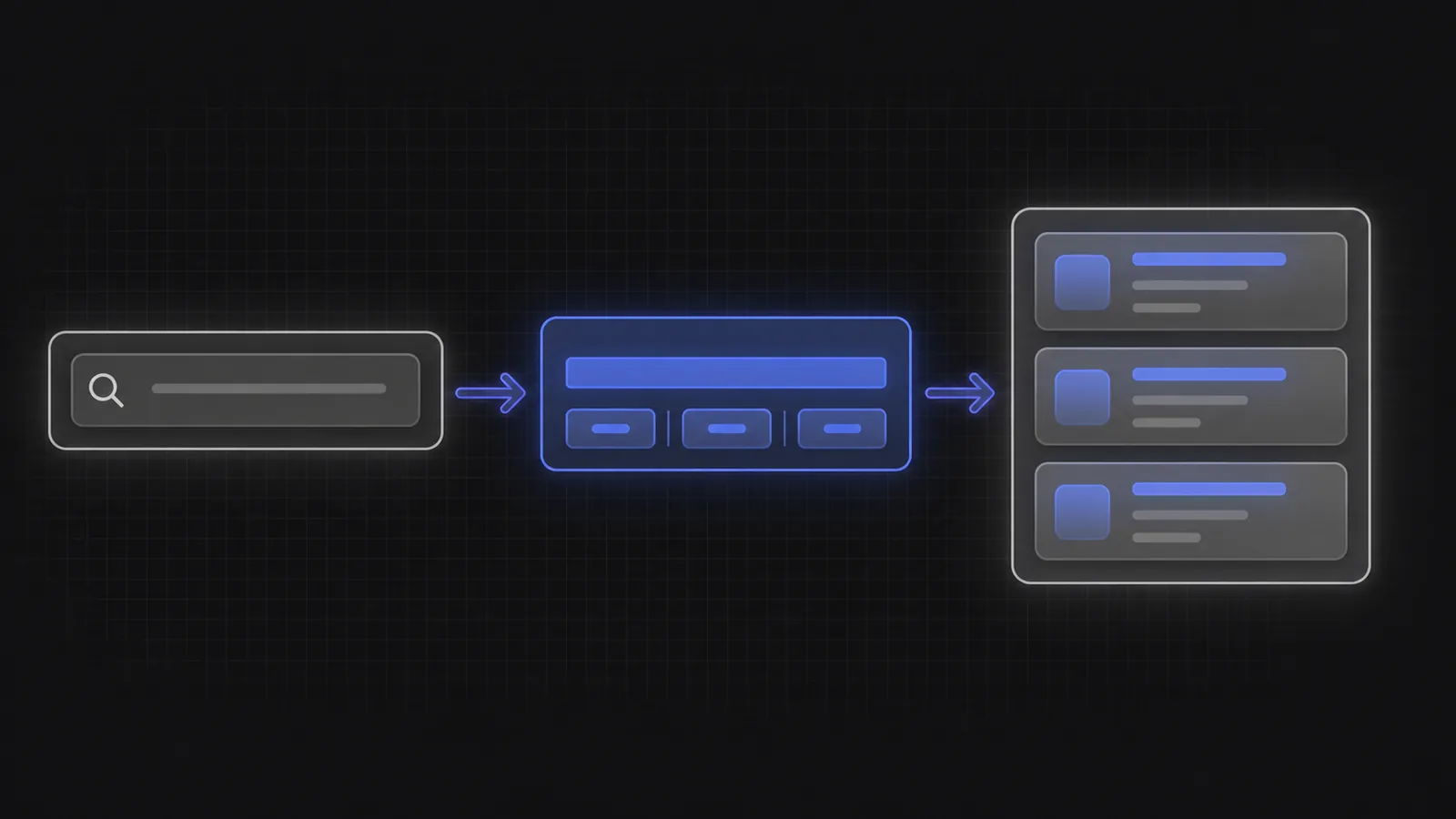
AI Autocomplete for AI agents: give every agent a better first brief
Agents do better work when users specify the goal, constraints, tools, and output before the first run—not after the first mistake.
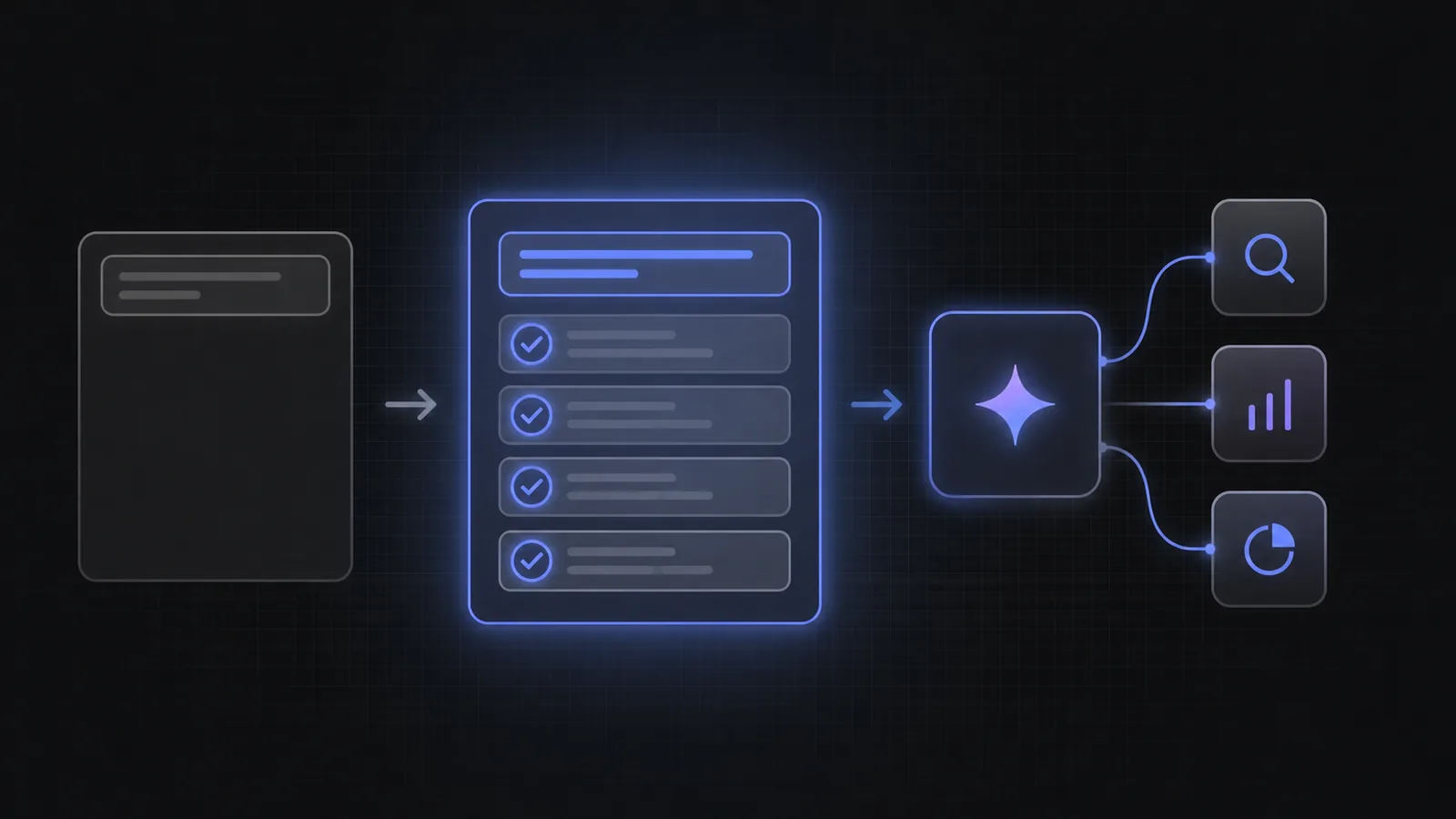
AI Autocomplete for customer support: collect the facts before the ticket opens
Guide customers to add the account, product, symptoms, and timing that support needs, without making them complete a rigid form.
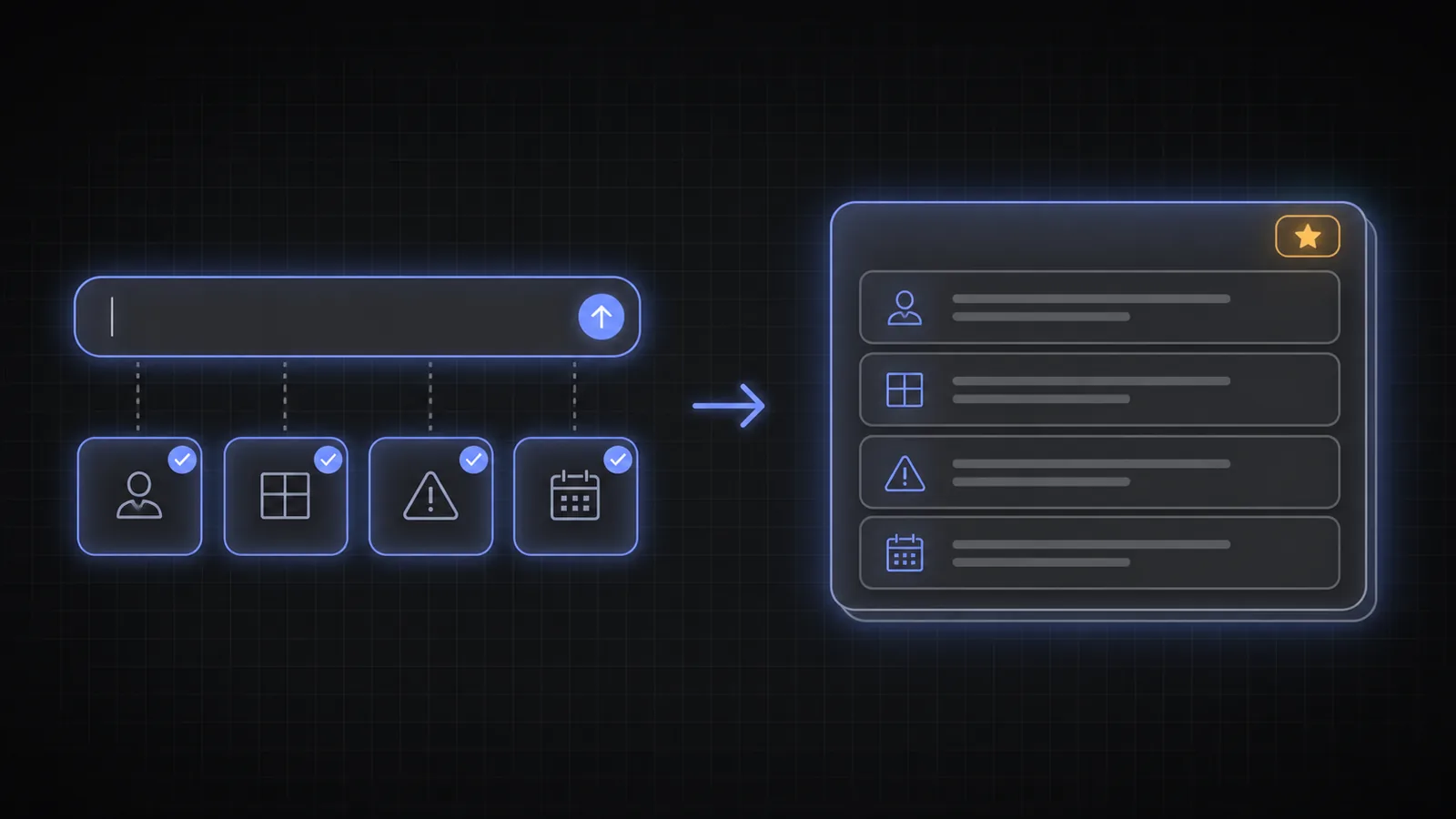
Search suggestions, search-as-you-type, semantic search, and AI Autocomplete
Four technologies can appear around the same text box, but they solve different problems. Here is the clean way to tell them apart.
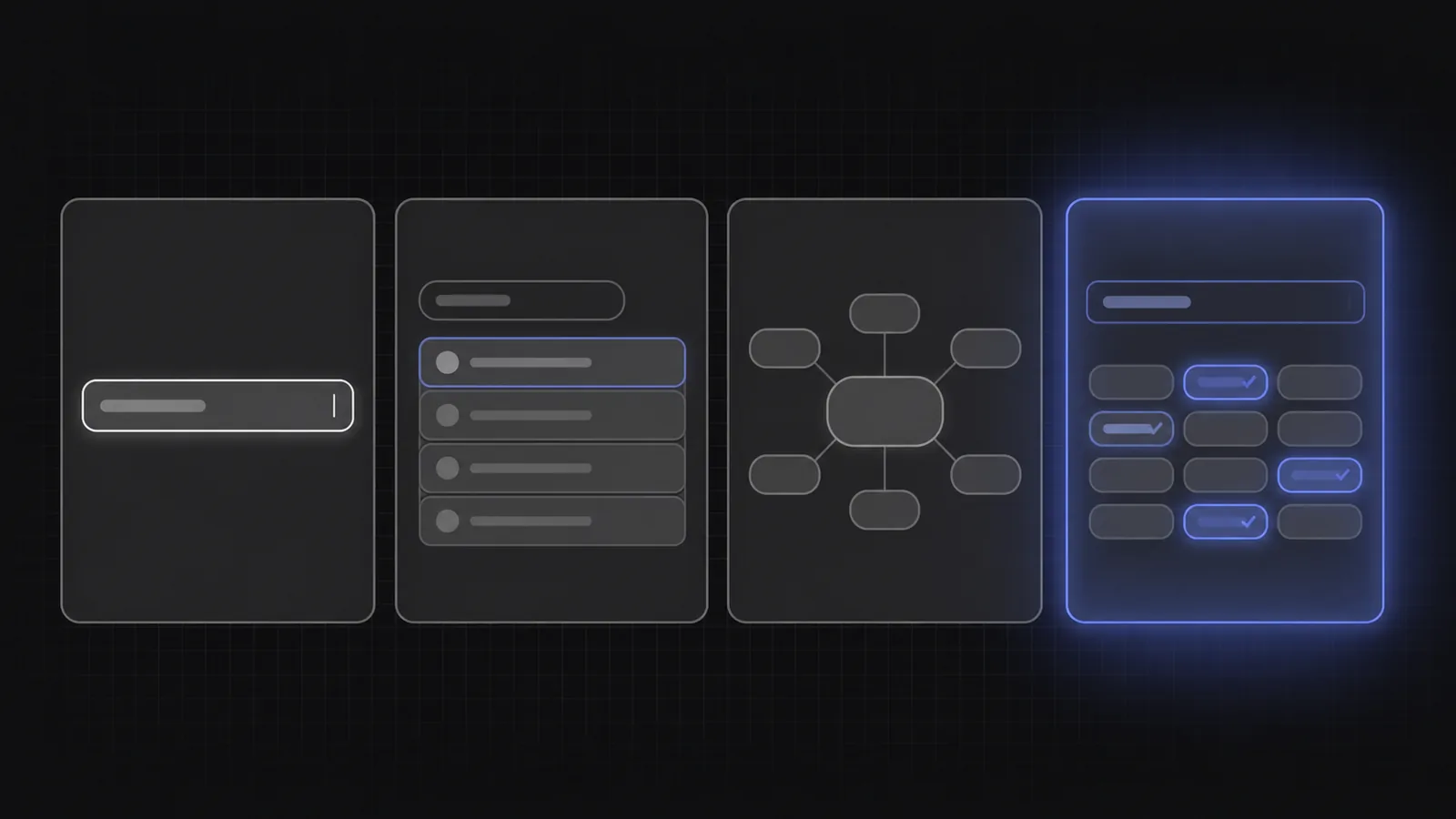
AI Autocomplete vs search autocomplete providers: what each layer actually does
Algolia, Elasticsearch, Typesense, Meilisearch, and other providers retrieve or suggest. AI Autocomplete completes the request before they run.
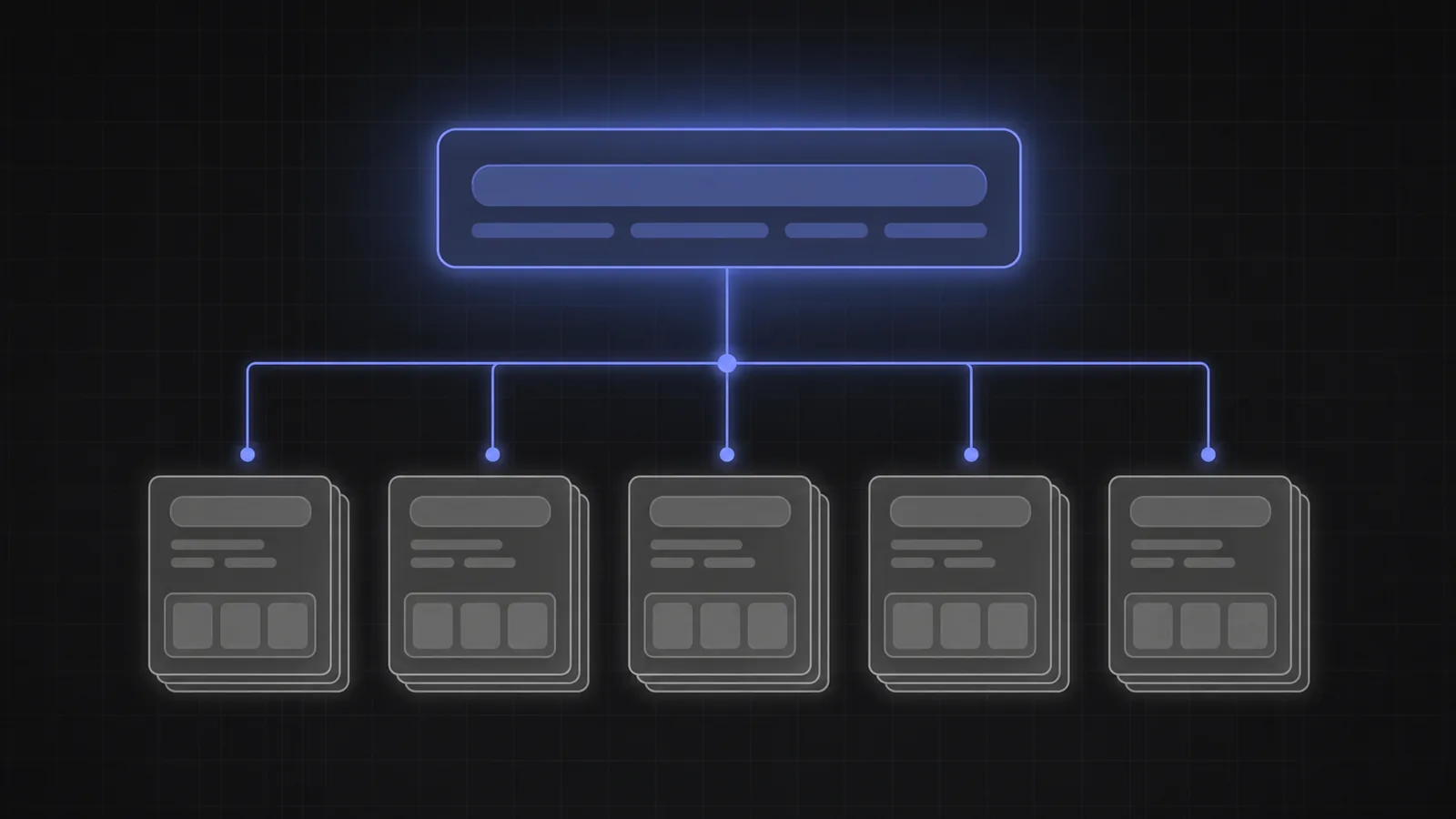
How to add AI Autocomplete to React in 10 minutes
Install the package, add one component, connect a key, and hand the completed query to the search or action you already use.
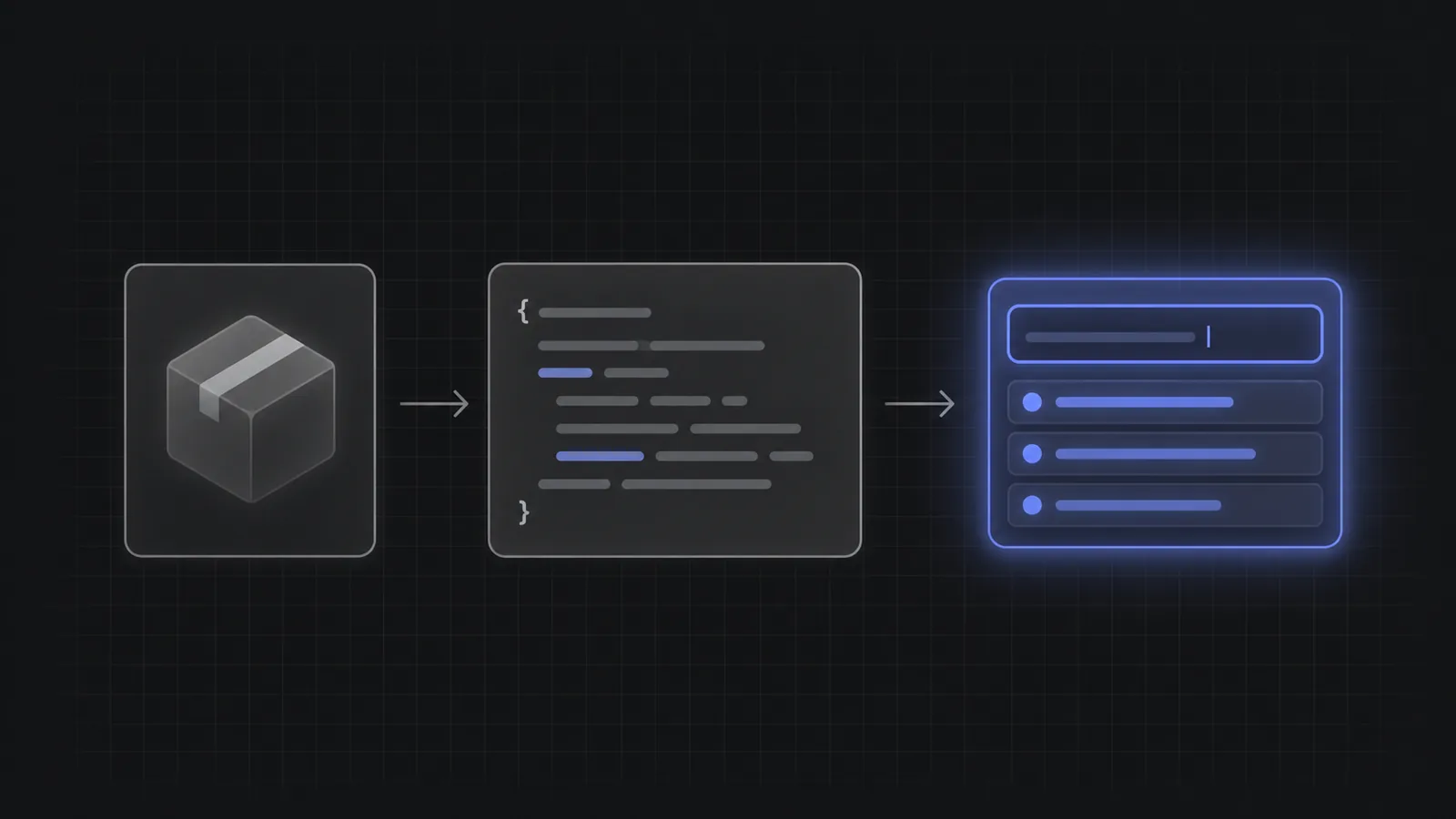
Autocomplete API or SDK? How to choose the right integration
Use the SDK when you want a complete, accessible interface. Use the API when you need to own the rendering and request loop.
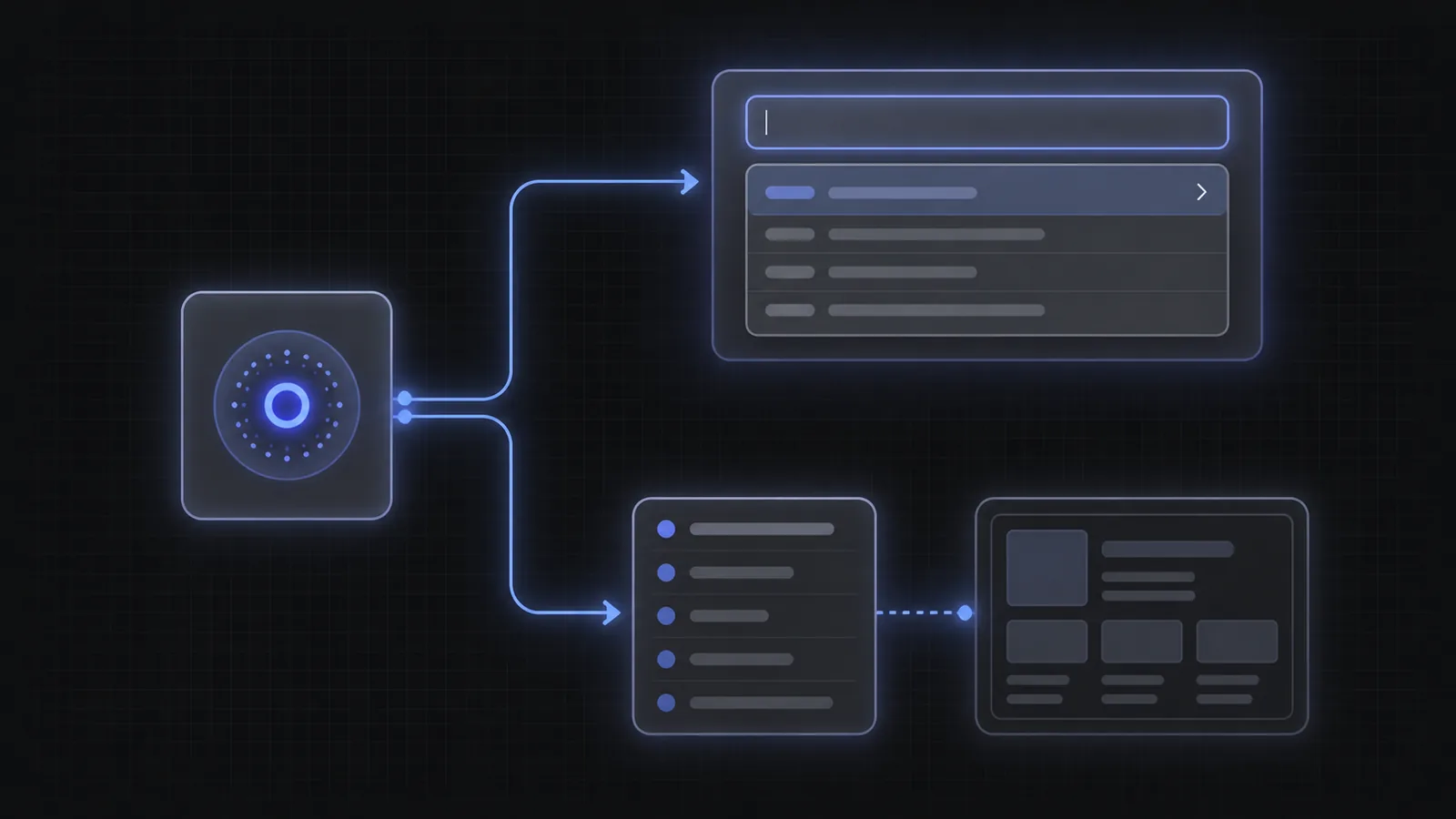
Build vs buy AI autocomplete: what the production system really requires
The model call is the visible part. Production autocomplete also needs latency control, cancellation, caching, auth, accessibility, and analytics.